Sumber Referensi :
Palma-Onetto, V., Bergmann, J., & González-Teuber, M. (2023). Mode of action, chemistry and defensive efficacy of the osmeterium in the caterpillar Battus polydamas archidamas. Scientific Reports, 13(1), 6644.
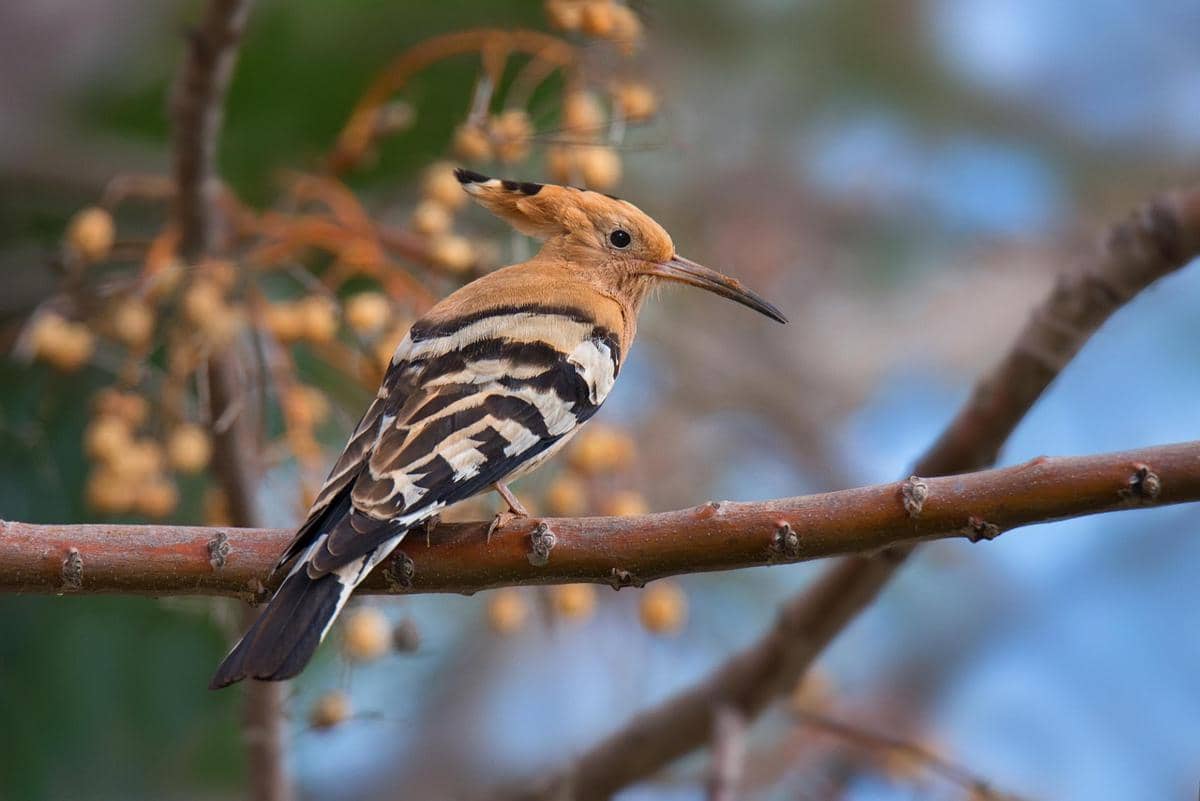
Soler, J. J., Martín-Vivaldi, M., Ruiz-Rodríguez, M., Valdivia, E., Martín-Platero, A. M., Martínez-Bueno, M., ... & Méndez, M. (2008). Symbiotic association between hoopoes and antibiotic-producing bacteria that live in their uropygial gland. Functional Ecology, 864-871.
Soler, J. J., Barón, M. D., Martínez-Renau, E., Zhang, L., Liang, W., & Martín-Vivaldi, M. (2024). Nesting hoopoes cultivate in their uropygial gland the microbial symbionts with the highest antimicrobial capacity. Scientific Reports, 14(1), 30797.
Martín-Vivaldi, M., Pena, A., Peralta-Sánchez, J. M., Sánchez, L., Ananou, S., Ruiz-Rodríguez, M., & Soler, J. J. (2010). Antimicrobial chemicals in hoopoe preen secretions are produced by symbiotic bacteria. Proceedings of the Royal Society B: Biological Sciences, 277(1678), 123-130.