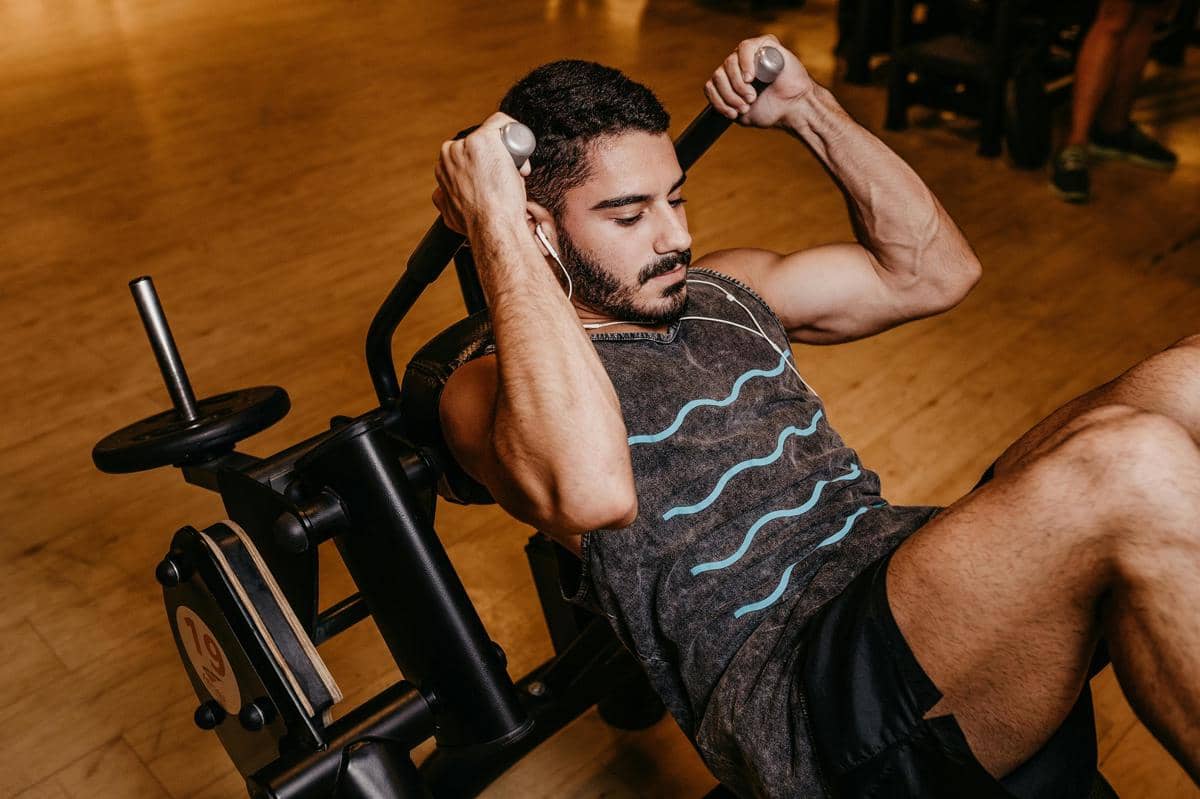
Rasa pusing, jantung berdebar tidak biasa, kram berulang, atau kelemahan ekstrem adalah tanda untuk berhenti. Puasa bukan kompetisi ketahanan fisik.
Penting untuk menekankan pentingnya monitoring subjektif seperti rating of perceived exertion (RPE) selama periode puasa. Jika latihan terasa jauh lebih berat dari biasanya, itu sinyal untuk menurunkan intensitas.
Menghormati batas tubuh bukan berarti lemah. Justru itu bentuk kecerdasan fisik demi mencegah cedera yang bisa membuat kamu absen latihan lebih lama.
Olahraga selama Ramadan tetap aman dilakukan dengan pendekatan yang tepat. Waktu latihan, hidrasi, nutrisi, intensitas, dan tidur adalah fondasi utama untuk mencegah kram dan cedera. Tubuh butuh adaptasi, bukan tekanan ekstra.
Ramadan bisa menjadi momentum untuk membangun hubungan yang lebih sadar dengan tubuh. Bukan soal seberapa keras berlatih, tetapi seberapa bijak menyesuaikan diri. Dengan strategi yang tepat, kebugaran tetap terjaga, ibadah pun berjalan lancar.
Referensi
ACSM’s Guidelines for Exercise Testing and Prescription, 11th ed. American College of Sports Medicine. Diakses Februari 2026.
Hamdi Chtourou et al., “The Effect of Ramadan Fasting on Physical Performances, Mood State and Perceived Exertion in Young Footballers,” Asian Journal of Sports Medicine 2, no. 3 (September 1, 2011): 177–85, https://doi.org/10.5812/asjsm.34757.
R J Maughan et al., “Fasting and Sports: A Summary Statement of the IOC Workshop,” British Journal of Sports Medicine 46, no. 7 (November 25, 2010): 457, https://doi.org/10.1136/bjsm.2010.073064.
Kevin C. Miller et al., “Exercise-Associated Muscle Cramps,” Sports Health a Multidisciplinary Approach 2, no. 4 (July 1, 2010): 279–83, https://doi.org/10.1177/1941738109357299.
"Dietary Reference Intakes for Water" National Academies of Sciences, Engineering, and Medicine. Diakses Februari 2026.
Anis Chaouachi et al., “The Effects of Ramadan Intermittent Fasting on Athletic Performance: Recommendations for the Maintenance of Physical Fitness,” Journal of Sports Sciences 30, no. sup1 (June 27, 2012): S53–73, https://doi.org/10.1080/02640414.2012.698297.
Ralf Jäger et al., “International Society of Sports Nutrition Position Stand: Protein and Exercise,” Journal of the International Society of Sports Nutrition 14, no. 1 (January 3, 2017), https://doi.org/10.1186/s12970-017-0177-8.
Matthew D. Milewski et al., “Chronic Lack of Sleep Is Associated With Increased Sports Injuries in Adolescent Athletes,” Journal of Pediatric Orthopaedics 34, no. 2 (January 17, 2014): 129–33, https://doi.org/10.1097/bpo.0000000000000151.